Bugatti explains the analogue philosophy behind the tourbillon's interior

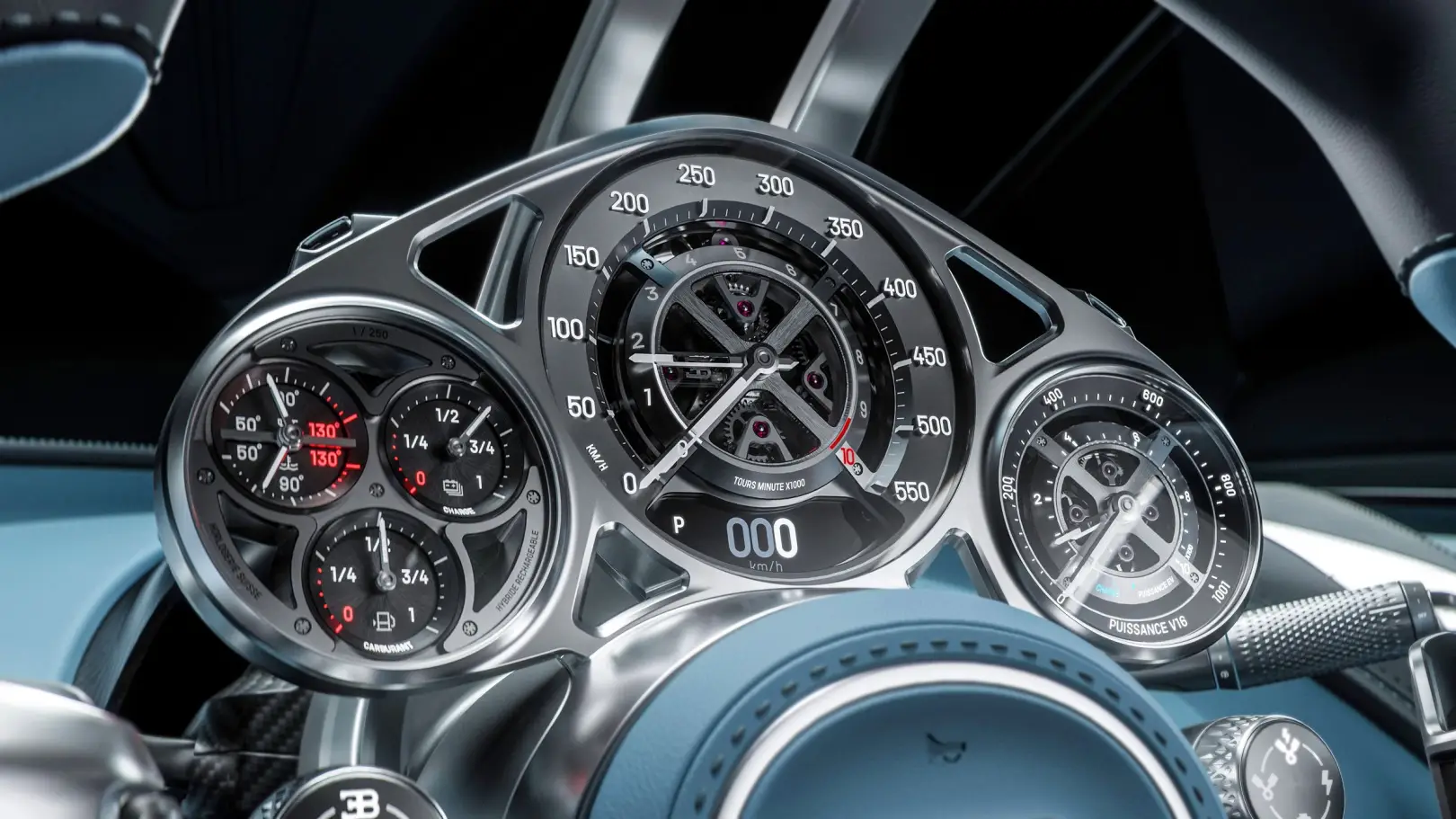
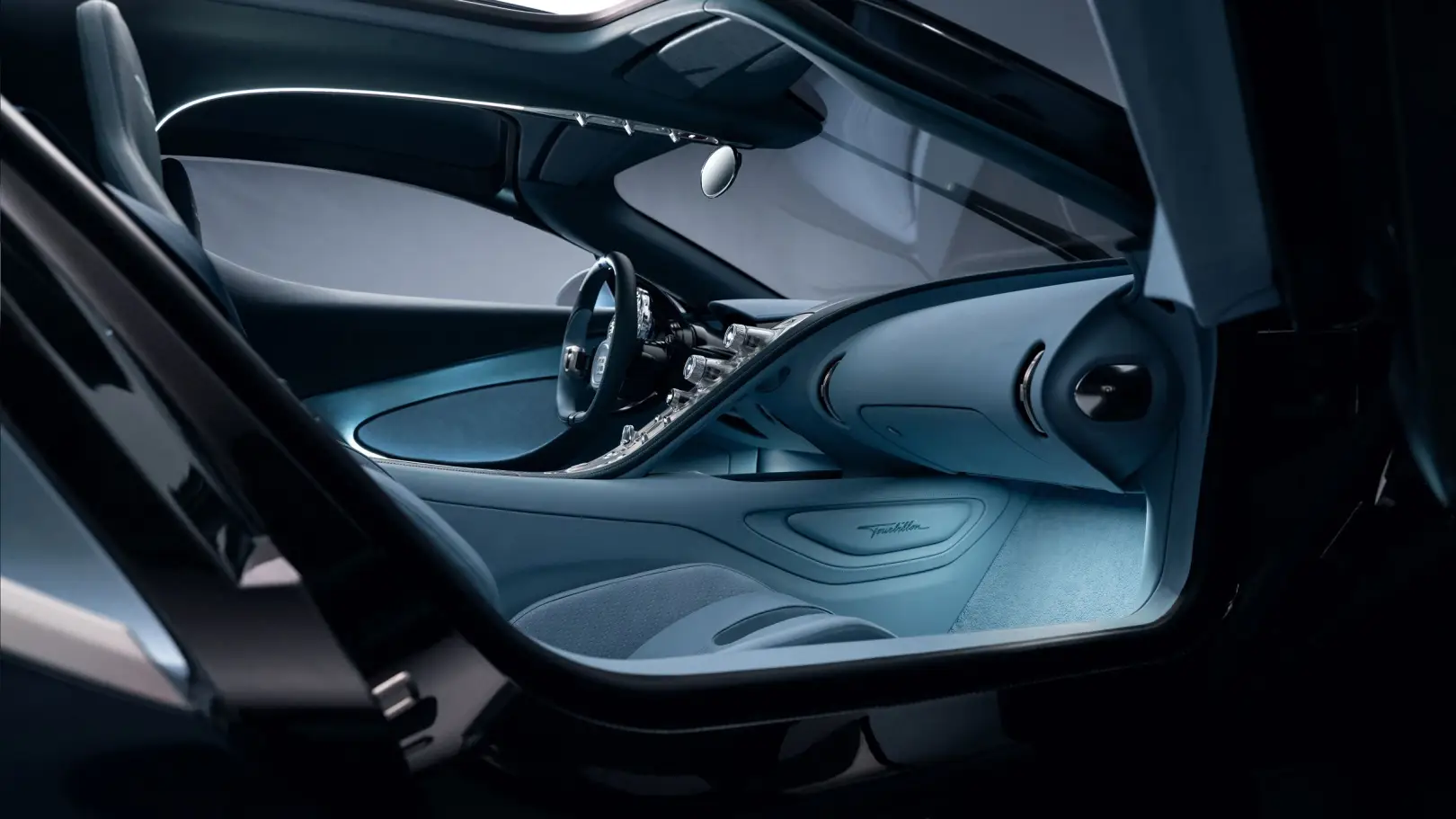
Bugatti has revealed the interior design of its upcoming Tourbillon hypercar, showcasing a cabin centred around analogue controls and craftsmanship inspired by watchmaking.
The design team was tasked with blending Bugatti's signature luxury and heritage with the modern safety and usability requirements of a road-legal car. Chief Interior Designer Ignacio Martínez explained that elements such as airbags, seatbelts and crash safety were key considerations throughout the design process.
A defining feature of the interior is the rejection of digital screens in favour of physical, mechanical interfaces. The design has been described as a 'digital detox', with a central display that remains hidden in the dashboard until required. Instead, the focus is on high-quality materials, including newly developed fabrics and leathers, and precise physical controls.
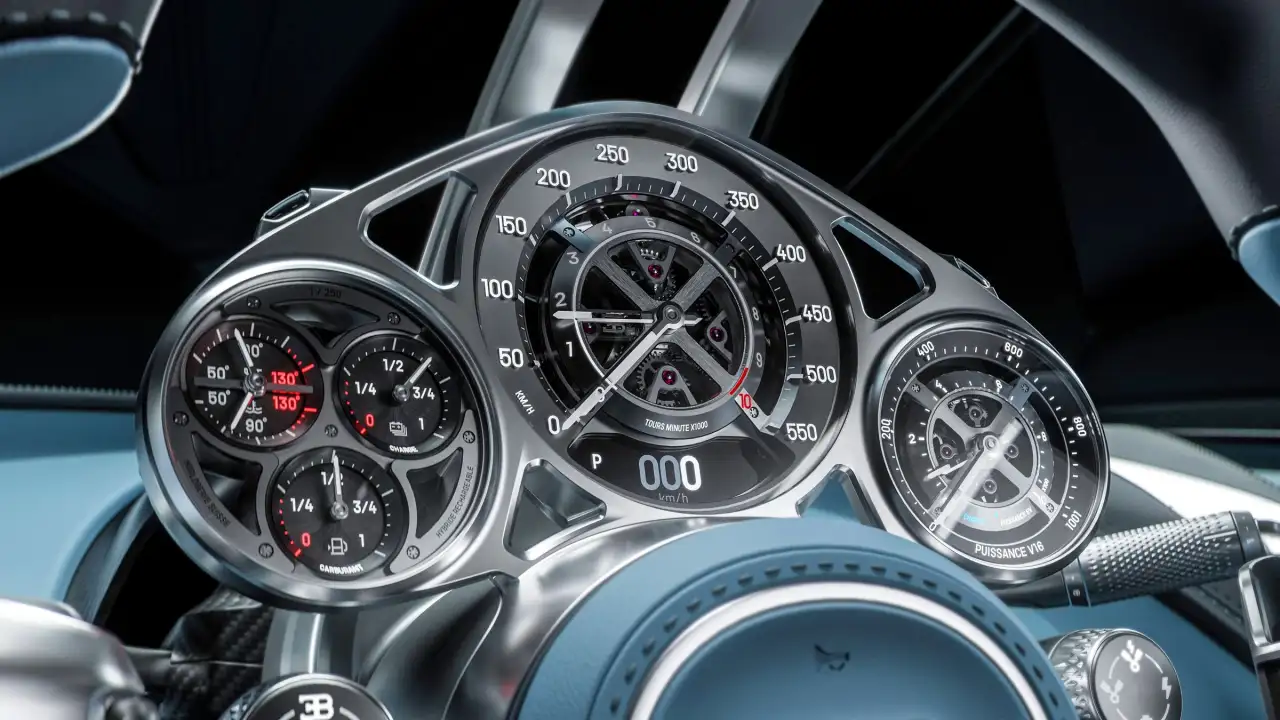
The centrepiece is a fully analogue instrument cluster developed in partnership with Swiss watchmakers. Featuring milled aluminium, skeletonised components and crystal displays, it draws direct inspiration from high-end timepieces. This is paired with a fixed-hub steering wheel, the rim of which rotates around a stationary centre housing the airbag and controls.
Named after a complex watchmaking mechanism, the interior of the Tourbillon aims for a timeless aesthetic, intentionally avoiding contemporary digital trends. Bugatti states that the goal was to create an interior that feels as enduring and mechanically beautiful as the watches that inspired it.





 Sign in with Google