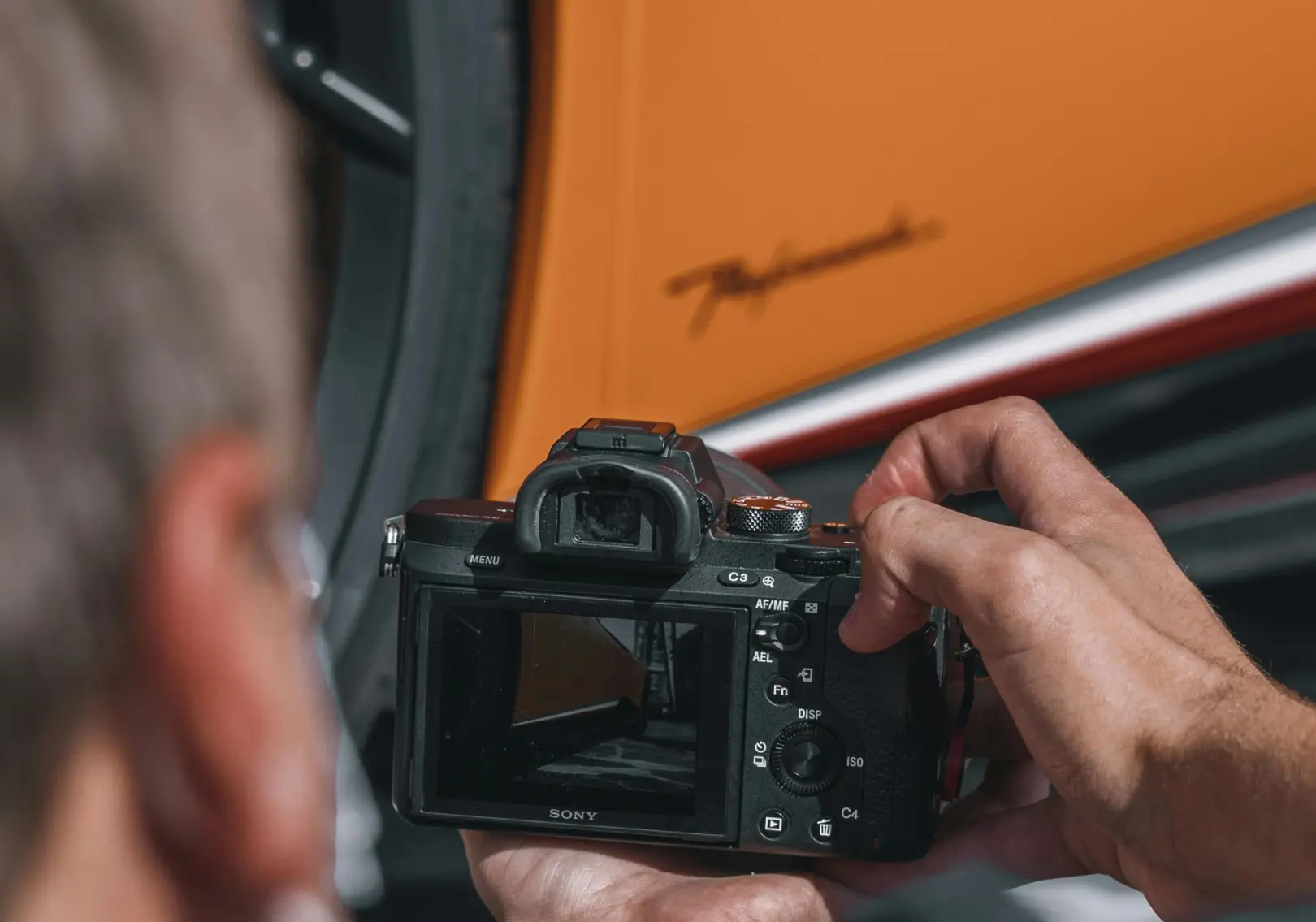
A great listing starts with great photos.
Whatever you're selling - a classic Porsche, a modern performance car, a motorcycle, or a collector's piece - buyers will look at the images before they read a single word of your description. In many cases, they decide whether to click in just a few seconds.
The difference between a vehicle that sells quickly and one that lingers online for months often comes down to presentation. Good photos build trust, answer questions before they're asked, and give buyers the confidence to get in touch.
If you're listing on Breaqs, here are the ten images you should always include.
1. Front Three-Quarter Shot
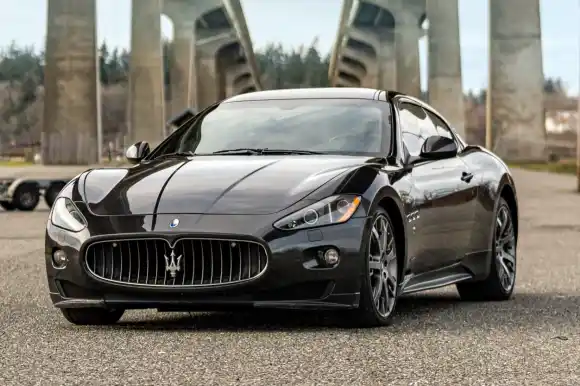
This is usually the most important photo in your listing.
A front three-quarter angle captures the front, side profile, and overall stance in a single frame - giving buyers an immediate impression of the vehicle. It's often the image that determines whether someone clicks through or scrolls past.
Aim for a clean background, good natural light, and no distracting clutter in the frame.
2. Rear Three-Quarter Shot
The rear three-quarter view is equally important.
Together with the front shot, it gives buyers a complete sense of the vehicle's proportions, design, and overall condition at a glance.
3. Full Side Profile
Proportions matter - particularly to classic car buyers and enthusiasts.
A clean side profile reveals the body lines, wheel fitment, ride height, and overall condition. It can also expose accident damage, poor repairs, or inconsistencies in the bodywork that other angles might miss.
Park the vehicle on level ground and shoot from a distance to avoid distortion.
4. Interior Overview
The interior often tells buyers more about how a vehicle has been cared for than anything else.
Take wide shots of the seats, dashboard, steering wheel, and centre console. Clean the interior beforehand and remove personal items. A tidy, well-presented cabin inspires confidence immediately.
5. Driver's Seat
This is where the truth tends to show itself.
Wear on the driver's seat, steering wheel, and gear lever can reveal more about a vehicle's real history than the odometer alone. Buyers appreciate honesty - don't try to conceal normal wear and tear, as experienced buyers will spot it anyway.
6. Dashboard and Instrument Cluster
Buyers want to verify the mileage, check for warning lights, and assess overall condition.
A clear, well-lit shot of the dashboard and gauges answers these questions immediately. If needed, turn the ignition on to show the cluster live - just make sure everything is clearly visible.
7. Engine Bay
It doesn't need to be concours-level clean.
But buyers will want to see it. A tidy, well-maintained engine bay signals transparency and reassures buyers that the vehicle has been looked after. For enthusiast cars in particular, the engine bay is often one of the most scrutinised images in the entire listing.
8. Wheels and Tyres
Buyers will inspect the wheels eventually - kerb damage, corrosion, and tyre wear are all things they'll be looking for.
Including close-up shots of all four corners shows confidence in the vehicle's condition and reduces unnecessary back-and-forth before a viewing.
9. Documentation and Service History
A vehicle's history can be just as valuable as the vehicle itself.
Photograph the service records, maintenance invoices, original manuals, and ownership documents. For classic and collector vehicles especially, well-documented history can meaningfully increase both buyer confidence and perceived value.
10. Any Imperfections
This one surprises some sellers - but it shouldn't.
Stone chips, scratches, paint blemishes, and minor wear should all be photographed clearly. Why? Because transparency builds trust. A buyer who spots a small scratch in a photo is far more likely to proceed than one who discovers it after travelling several hundred kilometres to view the car in person.
Honesty doesn't cost you a sale. It protects one.
The Mistake Most Sellers Make
Many sellers focus entirely on their vehicle's best features, and forget to answer the basic questions buyers actually have.
The strongest listings don't just showcase the highlights - they give a comprehensive, honest overview. Buyers should be able to understand a vehicle's condition, history, and presentation before they even pick up the phone.
The more your photos communicate, the more serious the enquiries you'll receive.
Better Photos, Better Results
Professional photography isn't necessary.
Good lighting, a clean vehicle, and a thoughtful selection of shots are usually all it takes. The goal isn't to make the vehicle look perfect - it's to present it accurately and professionally.
Buyers value transparency, and trust is often the deciding factor in any successful sale. Whether you're creating a fixed-price listing or selling through auction, high-quality photos will set your listing apart and attract the right buyers.
Frequently Asked Questions
Although there is no fixed rule, the most successful listings tend to include 15-30 high-quality photos. Having more photos generally creates more confidence and reduces buyer uncertainty.
The front three-quarter view is often the most important image because it is usually the first photo that buyers see when browsing listings.
Yes, as showing imperfections builds trust and helps to avoid surprises during viewings or inspections. Honest listings tend to attract more serious buyers.
In many cases, yes. High-quality photos can help a vehicle stand out from competing listings, increase buyer confidence and generate more interest.
Yes, sellers can create both auction and fixed-price listings free of charge. There are no listing fees, success fees or seller commission.




 Sign in with Google