The European automotive market: Where It's Been, Where It's Going
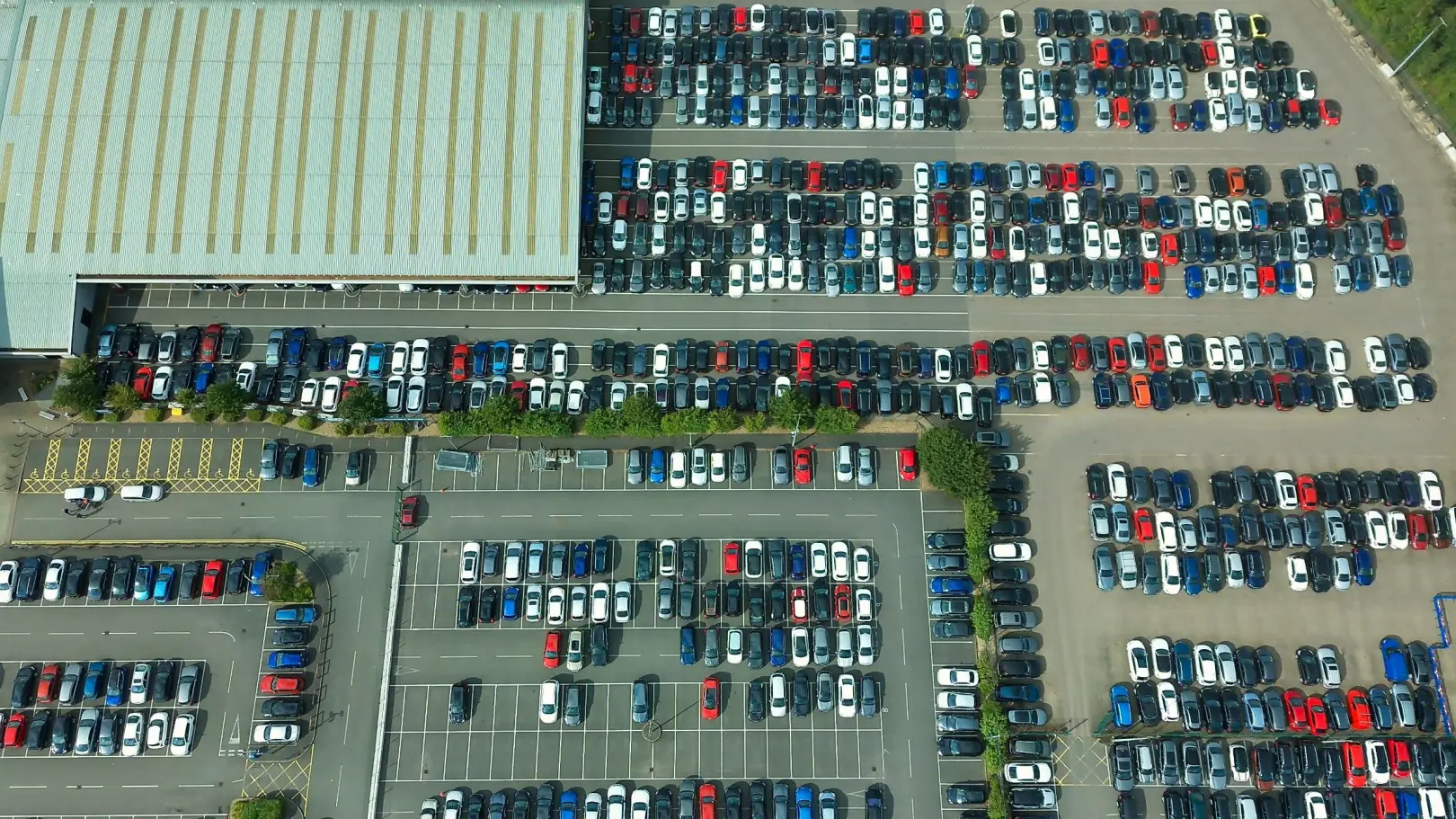
The European automotive market has undergone a profound transformation over the past decade. Rising vehicle prices, shifting consumer preferences, the push toward electrification, and persistent economic uncertainty have collectively reshaped how people buy and sell cars. Enthusiasts, collectors, and everyday drivers alike are making fundamentally different decisions than they were just a few years ago.
So where is the market heading?
While the future is never certain, several powerful trends are already defining the road ahead.
1. Cars are getting more expensive - and that's changing everything
New vehicle prices have risen sharply, driven by tighter emissions regulations, increasingly sophisticated safety systems, and higher production costs. The result? Many buyers who would once have walked into a showroom are now turning to nearly-new and quality used alternatives instead.
This shift is quietly strengthening the used car market right across Europe.
2. Owners are holding on for longer
For decades, it was normal to replace a vehicle every three or four years. That behaviour is changing. As cars have become both more expensive and more reliable, owners are simply keeping them longer.
The average age of vehicles on European roads continues to climb - and with it, the opportunity for a well-supplied, quality-focused used market.
3. Reliability has become the new status symbol
In uncertain economic times, buyers have grown more discerning. Prestige and performance still matter, but they now compete directly with running costs, maintenance records, and long-term dependability.
Vehicles with strong reliability reputations consistently outperform in the used market. Trust, increasingly, is the deciding factor.
4. Electrification is moving forward, just not at the pace once predicted
Electric vehicles are unquestionably part of Europe's automotive future. But the transition has proven more complex than early forecasts suggested. Concerns around charging infrastructure, battery longevity, electricity costs, and resale values continue to give buyers pause.
Hybrid and plug-in hybrid vehicles remain a popular middle ground, and the broader shift to electrification looks set to be a gradual evolution rather than an overnight revolution.
5. Enthusiast vehicles are defying the trend
Here's something that often surprises people: as the industry races toward electrification, demand for driver-focused vehicles has remained remarkably strong.
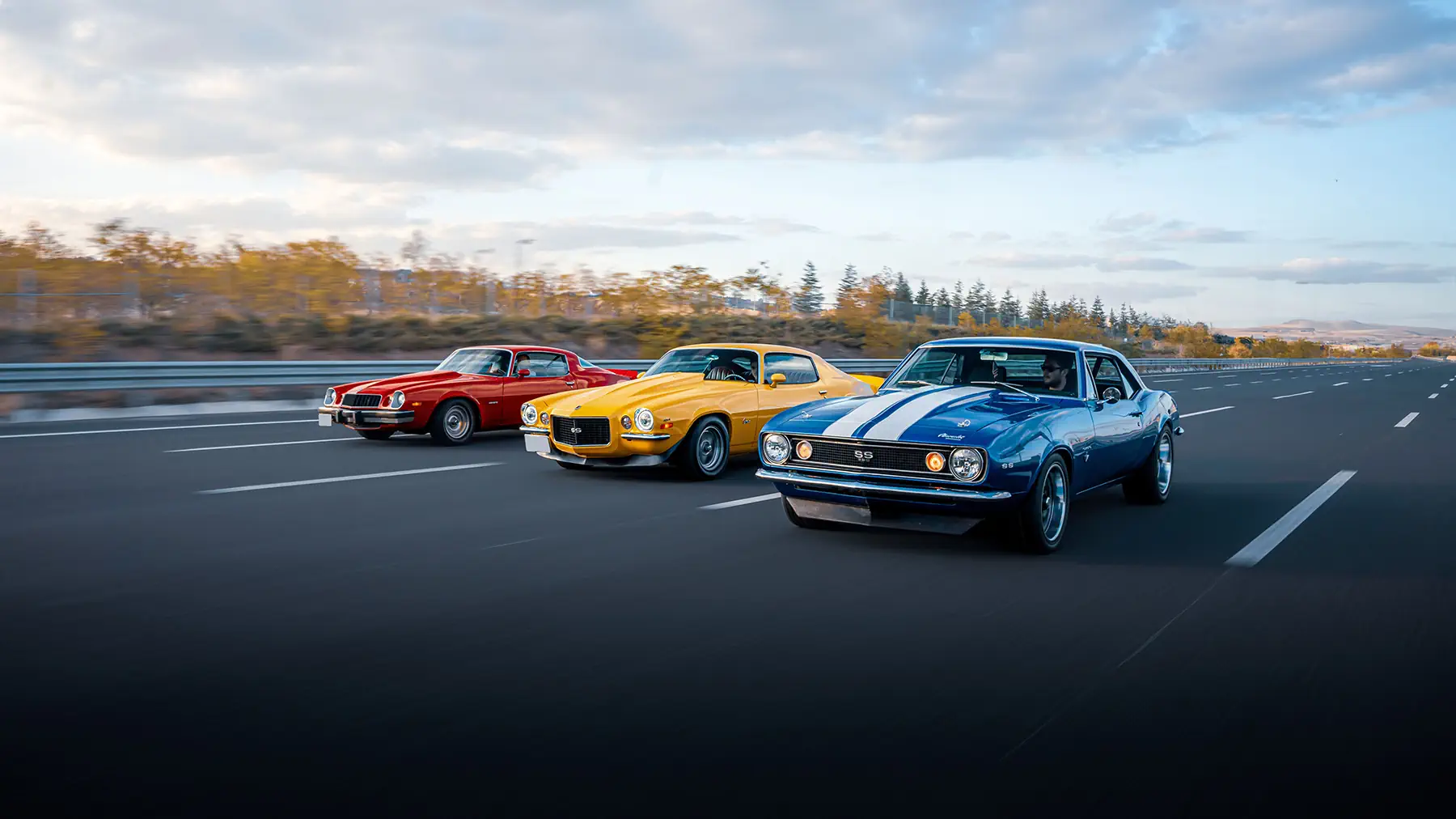
Classic cars, sports cars, youngtimers and collector models continue to attract serious buyers across Europe. Many enthusiasts recognise that today's analogue, petrol-powered cars may represent the final chapter of a long era - and they are buying accordingly. Manual gearboxes, naturally aspirated engines, and distinctive driving experiences have rarely felt more desirable.
6. The market is becoming genuinely pan-European
Buyers are no longer restricted to local dealerships or national listings. The search for the right vehicle - the right specification, the right price, the right provenance - increasingly crosses borders.
For sellers, this means access to a far deeper pool of motivated buyers. For buyers, it means significantly more choice. The European vehicle market is more interconnected than at any point in its history.
7. Transparency is now the baseline expectation
Today's buyers expect more - and they're right to. Comprehensive photographs, full service histories, clear ownership records, and honest vehicle descriptions are no longer a differentiator; they're a prerequisite.
Vague listings and low-quality imagery are increasingly ignored. The vehicles that sell quickly are the ones presented with confidence and backed by documentation.
What happens next?
At Breaqs, we see several themes continuing to shape the market in the years ahead. Vehicles will remain expensive by historical standards. Reliability and total ownership costs will stay front of mind for buyers. Cross-border transactions will become increasingly routine, and enthusiast vehicles will continue to hold their own as a distinct and resilient segment.
The rise of electric vehicles will press on - but combustion-engine cars will remain a significant part of the landscape for many years to come.
Above all, buyers and sellers will keep demanding greater transparency, broader choice, and seamless access to the wider European market.
The European car market isn't shrinking. It's evolving
Consumer priorities are changing. Technology is changing. Buying behaviour is changing. But one thing remains constant: people still place real value on mobility, freedom, and the satisfaction of owning exactly the right vehicle.
Whether that's an electric hatchback, a dependable family estate, a classic Mercedes-Benz, or an air-cooled Porsche - the European automotive market remains as diverse, dynamic, and fascinating as ever.


 Sign in with Google